
Halloween may look different in Greater Hobart from elsewhere, but it still offers a glimpse of neighbourhood life: children walking between houses, neighbours meeting at front gates and streets becoming places to connect. October 31 also marked World Cities Day, an opportunity to consider how the places we build support that connection every day. Can people easily reach work, education and services? Can children move around safely? Can older residents stay connected to their community?
These questions were central to conversations in Canberra last week where I was fortunate to represent the Committees for Capital Cities at Urban Week in Canberra. Together, eight national organisations presented a shared urban agenda to government, opposition and crossbench representatives.
There was considerable common ground and broad agreement on the ambition – neighbourhoods connected to jobs, education, health care and services, with vibrant businesses, cultural activity, welcoming public spaces and green spaces.
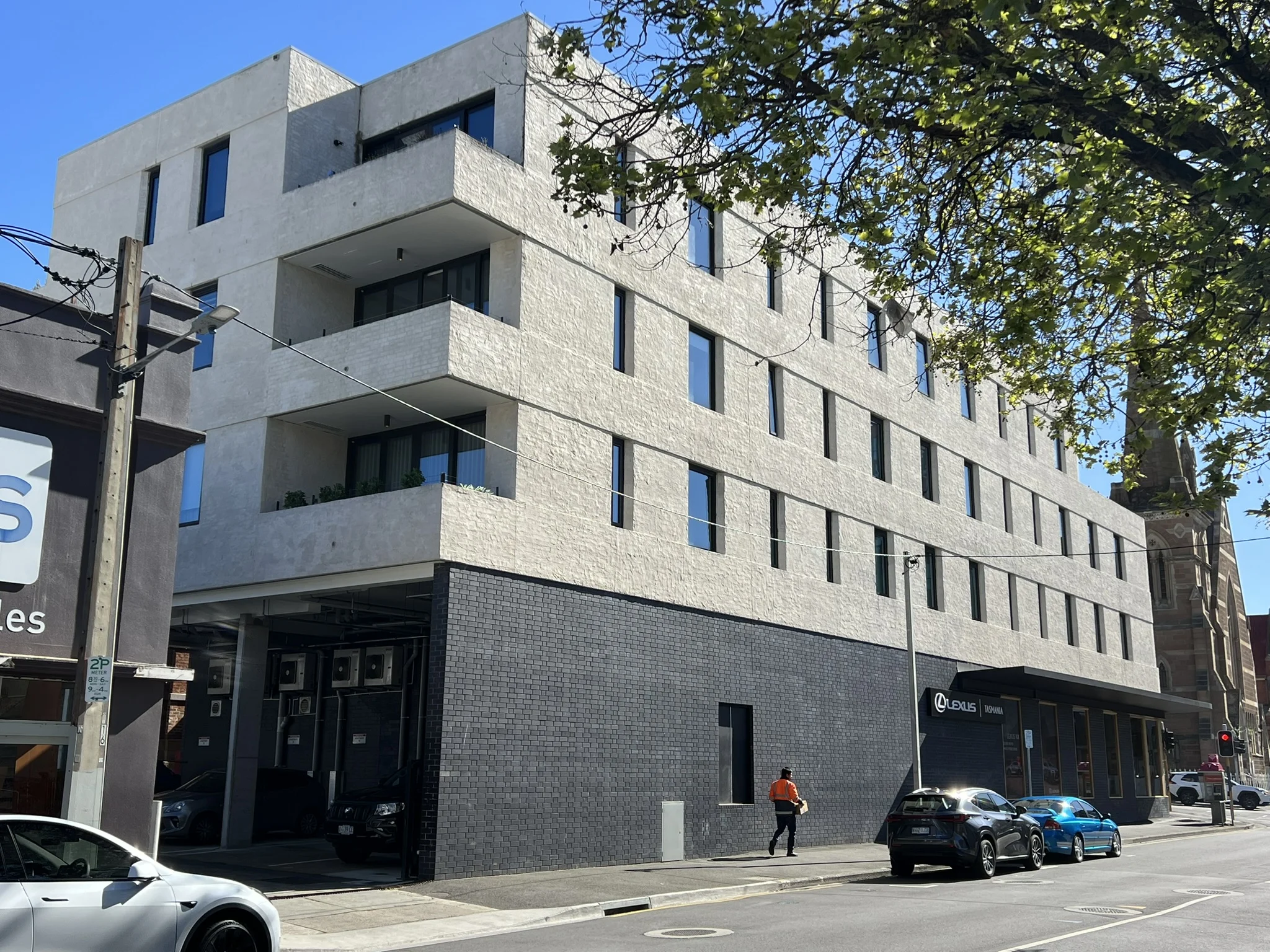
The harder question is how we get there. Our shared agenda, Building Australia’s Next Urban Chapter, offers practical steps. Delivering them requires us to overcome silos between portfolios and governments, and organise our efforts around the places we want to create.
Previous submissions by the Committees for Capital Cities have argued for long-term, place-based partnerships involving governments, industry and the community sector. The outdated City Deals approach needs to give way to long-term enduring arrangements connecting housing, infrastructure, services and investment around shared local priorities.
These partnerships would bring the National Urban Policy to life, establish responsibility for delivery and provide continuity beyond funding announcements and election cycles.
Today’s housing decisions will influence household costs, health, opportunity and productivity for generations. If we build poorly now, we lock in costs that future residents and governments will spend generations trying to overcome.
A home may appear affordable to buy, yet leave its occupants facing long journeys, car dependence and high energy bills where communities are disconnected from employment, education, health care and each other.
The result is households lose money and time and Governments face pressure to retrofit infrastructure and services that should have been considered from the beginning.
In smaller cities and regional communities, these consequences can endure even longer. Where redevelopment happens slowly, poor housing and disconnected neighbourhoods can persist for multiple generations. We cannot assume the next investment cycle will replace what we get wrong today.
Density done well can give more people access to established neighbourhoods and townhouses, terraces, duplexes and apartments offer choices for different incomes, household sizes and stages of life.
Our concept of care must extend beyond the front door where safe walking routes, shade trees, accessible parks, community facilities and local businesses help turn housing into places where people belong.
But another message was clear in Canberra: the sheer scale of delivery demands stronger coordination of capital investment, especially with tightening budgets. Housing, transport, energy, water and social infrastructure draw on interconnected sources of finance, labour, materials and construction capacity and therefore one major investment program can affect the cost and feasibility of projects elsewhere.
We have previously argued that Tasmania needs stronger coordination and management of its overall capital program. A dependable pipeline would give industry confidence to invest in people and equipment, while reducing sudden peaks, delays and changes that flow through to construction prices.
It’s evident that the same discipline is needed nationally. Infrastructure Australia should have a stronger role in coordinating the sequencing of major capital investment. Publishing priorities alone is not enough. We need an active assessment of what the country can deliver, when, and how competing demands can be managed. For example, Olympics and construction in Queensland and major defence programs in South Australia and Western Australia have implications beyond state borders.
Individual projects may be compelling but we must also understand whether the combined program is deliverable, and what its timing means for other national priorities. National and state coordination must connect investment decisions with delivery capacity, identify pressures early and give governments and industry certainty.
Our shared agenda supports this through an Infill Acceleration Fund, dependable housing-enabling infrastructure funding, better pipeline data and stronger support for community housing providers.
Further, the proposed National Urban Coordination Unit within Treasury would help align Commonwealth investment and place-based partnerships would connect that effort to communities.
All of these reforms lock together as this is a systems challenge. Better places require coordinated investment and institutions capable of seeing beyond individual projects, portfolios and politics.
We mustn’t forget the biggest challenge for our economy, as underpinning all of this is a productivity agenda. Well-connected and located homes improve access to jobs, opportunity and services. Well-managed investment helps deliver those benefits and unlock certainty and value.
With council elections behind us, the need for better conversations across our community is greater than ever. Future generations will inherit the choices we make through those conversations. We owe them homes and vibrant neighbourhoods where they can live and thrive.
Also published in The Mercury, Wednesday November 4, 2026.