
Tasmania is a place known for its natural beauty, tight-knit communities, and slower pace of life. But, as Brand Tasmania’s 2023 Place Brand Research found, Tasmania is friendly, but not welcoming.
It’s a subtle but powerful distinction — and one we can no longer afford to ignore. Friendliness is waving to your neighbour. Being welcoming is making space for them at your table. As we face major demographic and economic challenges — including an ageing population, an increase in single person households, and stalled net migration — Tasmania must become more than friendly. We must become genuinely welcoming if we are to thrive.
According to 2021 Census data, 1 in 5 Tasmanians were born overseas, and nearly 1 in 10 speak a language other than English at home.
Yet, for many migrants, everyday life is still shaped by subtle forms of exclusion. Racism isn’t always loud or obvious – it often shows up in the quiet discomfort of being stared at, questioned, or treated as an outsider. It’s the feeling you get when someone asks, “Where are you really from?” – a question that may seem harmless, even curious, but can carry the unspoken message: you don’t belong here.
We often think of inclusion in terms of policies or programs, but it’s just as much about the mindset we carry. Biases don’t always come from a place of malice – they’re tucked away in our habits, our assumptions, and our questions. And it’s time we begin noticing them.
Being welcoming is not just about physical space (e.g., a house to rent), it’s about providing emotional and cultural space – room to belong, without needing to explain, justify, or change to fit in. That shift starts with inclusive planning and awareness — not just for housing and roads, but for belonging.
A slew of recent reports has shown that the state’s population growth has slowed, driven by interstate departures. Without new arrivals — and without giving them reasons to stay — we risk undermining the three pillars of long-term prosperity: population, participation and productivity.
The Tasmanian Government’s Multicultural Action Plan 2025–2029 starts the conversation on how to build a state that doesn’t just tolerate diversity but actively embraces and enables it — in services, policies and, most importantly, in the places people can contribute, live and work.
It’s critical to challenge any perception that people who move to Tasmania are a burden on the system – they’re a vital part of its strength. People come here to work, start businesses and employ staff, and bring skills and perspectives that enrich our shared future.
As one of the key stakeholders of this Action Plan, Multicultural Council of Tasmania supports planning new neighbourhoods where multicultural communities are visible, supported, valued and celebrated — with inclusive civic spaces, multi-faith and community centres, multi-accessible housing, common services, public transport, and space for festivals, markets and community gathering.
These aren’t “nice to haves.” They’re the foundations of a resilient, future-ready Tasmania.
We are already seeing early examples of what this can look like. In Bridgewater, the new growth precinct is looking to lay the groundwork for a genuinely inclusive neighbourhood — integrating housing, education, employment, childcare and transport. It’s the kind of community where people from all walks of life can build a future.
Along the Northern Corridor, renewal and infill opportunities can unlock diverse housing and activate underused land — but only if we embed diversity and vibrancy with music, food, language and life in the planning process from the beginning. Imagine what could also be possible at the K&D site in the city. We need places where diverse groups of people can share cultures, build connection, and learn about each other with empathy and respect.
These precincts must be more than functional. They must be culturally alive, socially connected, and reflective of the vibrant, positive diversity we hope to establish.
True inclusion also requires that we start from the beginning — with genuine cultural recognition. We acknowledge palawa as the original and continuing custodians of lutruwita/Tasmania. If we cannot properly honour the First Peoples of this land, how can we expect new migrants and communities to feel safe, respected and at home here?
This must be a foundational act in any inclusive planning effort: recognising the deep history of place and embedding First Nations knowledge, language and design into our shared spaces.
Inclusion isn’t just a matter of fairness; it’s a source of vibrancy. And vibrancy — in our streets, our festivals, our markets, and our culture — is what makes people feel at home.
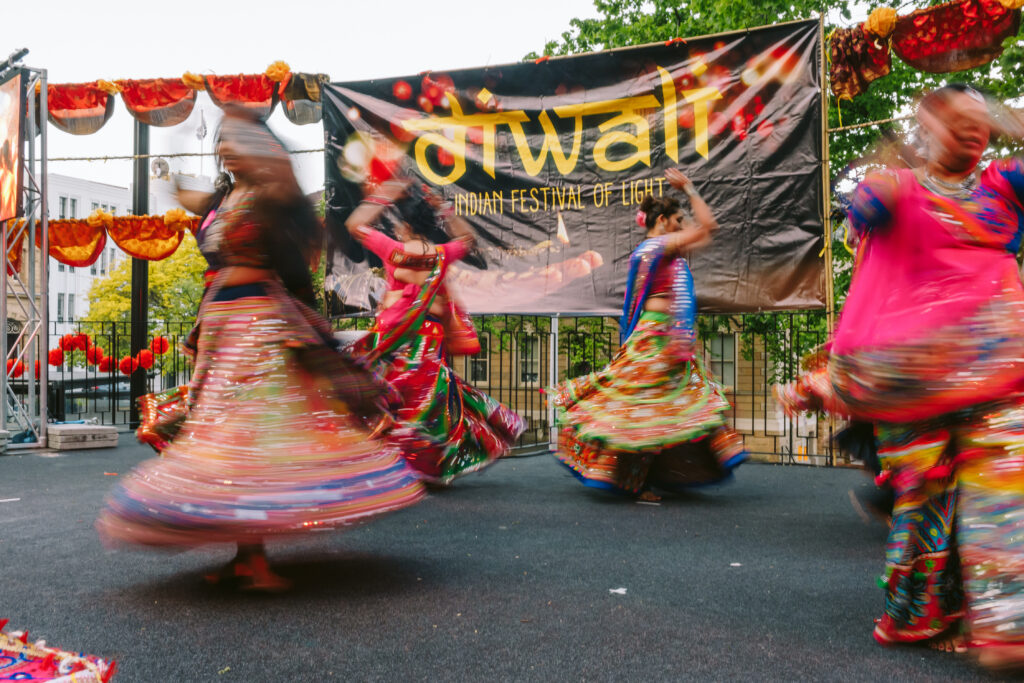
From Diwali to Mannalargenna Day, from Estia to Lunar New Year, cultural events create moments of joy, understanding and identity. They also drive local economic activity, tourism and employment — all essential for long-term prosperity.
We must treat creative and cultural investment and community celebration as productivity infrastructure. Because it is.
Reflecting on Dr Lisa Denny’s recent opine (11/8/25) “The choices we make today will shape the Tasmania of tomorrow. As the ancestors of future Tasmanians we must ask: what kind of story do we want them to inherit?”
Let’s make sure every new precinct is designed and realised to be a place of belonging. Let’s ensure every new Tasmanian — whether arriving from interstate, overseas, or seeking a new start — feels valued and knows there is a place for them here.
We must evolve from being a friendly state to being a welcoming one. Not just because it feels good — but because that’s how we build a stronger, resilient, and vibrant community.
Dr. Pooja Shah is a Post Doctoral Research Fellow, in the School of Geography, Planning, and Spatial Sciences at the University of Tasmania.
Cam Crawford is Chief Executive of the Committee for Greater Hobart