
Many like to think of university life quite romantically: sleeping in before class, cheap meals, a shift or two of work, then a night out with friends. But that version is a fantasy. When more than half of uni students are food insecure, the problem is not whether they can afford a drink in town, it is whether they can afford dinner at all.
The numbers are hard to fathom. Among UTAS students, severe food insecurity increased from 17% in 2022 to 29% in 2024, contributing to an overall significant increase in total food insecurity from 42% to 53%. This means skipping meals or going whole days without eating. To make ends meet, students are working on average just under 30 hours a week, on top of study, and many rely on emergency relief on top of that to pay the rent and try and afford food.
If students are already struggling to buy food, there is little to no budget left for going out and having the social life and cultural experiences you would associate with a vibrant city.
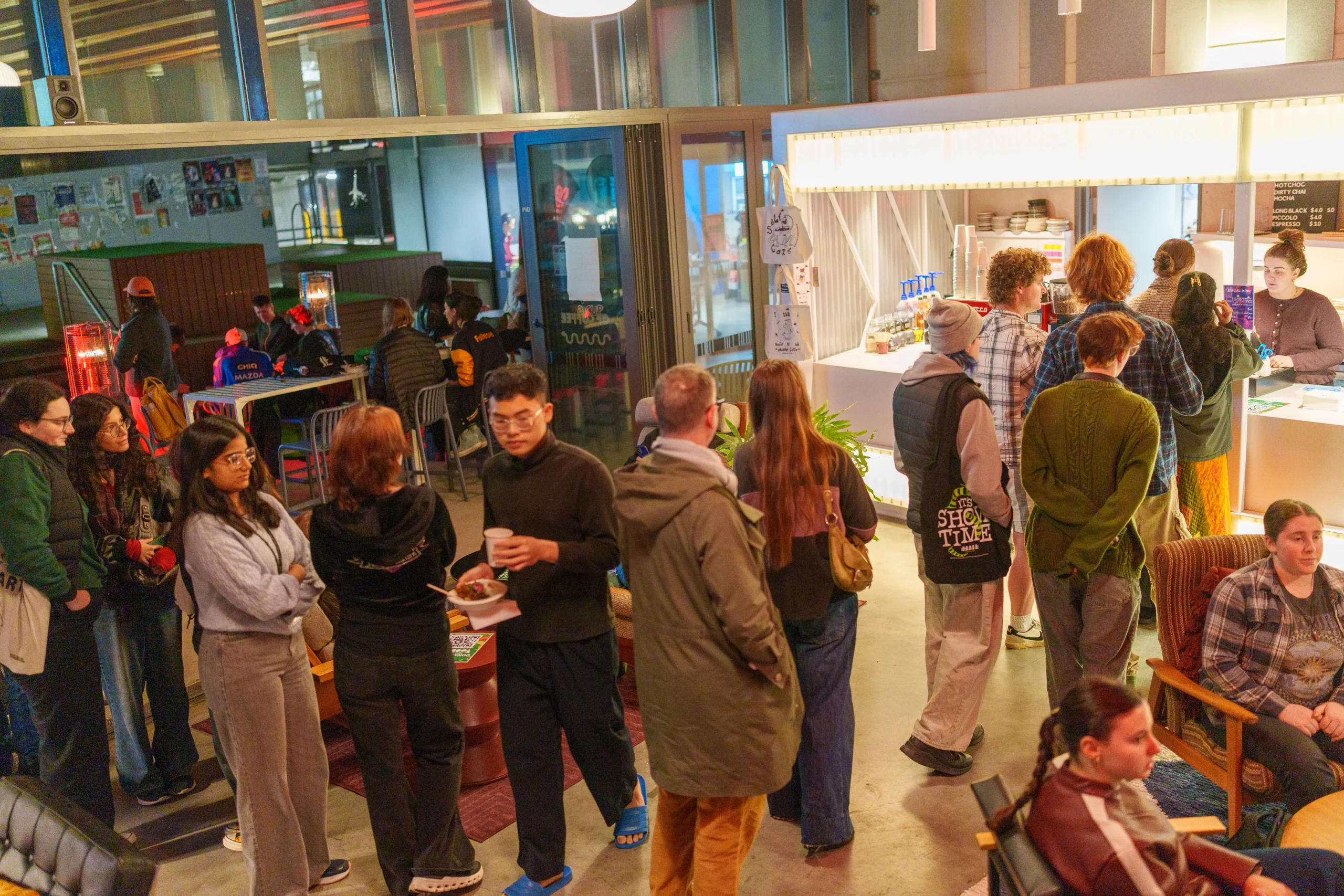
There’s no denying, however, that young Australians find greater freedom and connection after dark. The Visa Vibe Economy Report, commissioned by McCrindle, found 45% of Gen Z and 37% of Gen Y strongly or somewhat agree that they prefer going out at night-time to feel connected to others than during the day, making night-time experiences an essential part of student life.
That is where the conversation about food security meets the recent conversation about the “night-time economy”. We often talk about making Hobart more lively after dark, supporting local venues, and creating a city that keeps young people engaged. But students cannot participate in a nightlife economy if they don’t even have money for food and rent. They cannot justify an evening meal out, a ticketed event, or even the cost of getting into town if they are already skipping multiple meals a week. The city cannot rely on students as cultural participants while ignoring the fact that many cannot afford the basics.
The University of Tasmania has recognised the importance of this issue and provided short-term funding towards Tasmanian University Student Association (TUSA) Food Hubs at each campus. In 2025, the program redistributed more than 40,000 kilograms of food and recorded a 40% increase in student visits, rising to 7,782 from 5,174 the year before. In 2026, demand has already surged again, with 5,140 student visits so far and numbers tracking at more than double the numbers from 2025.
Behind those numbers are stories of students not having a full meal in three days, and who are only able to eat because of the Food Hub. One mature-age student has told TUSA that the program has helped them afford rent and medical bills while rebuilding their health, confidence and sense of belonging. Another has shared that while navigating homelessness with their children in their first semester, the Food Hub became their main source of groceries some weeks.
TUSA this week opened Grounded, a new social enterprise café on Elizabeth Street in Hobart CBD that joins a growing number of midtown eateries and coffee shops. The Committee for Greater Hobart has also received funding through the Visa Vibe Grants Program to support TUSA After Dark, a new initiative that will run at Grounded, providing food, live music and opportunities for connection over the winter months. These TUSA After Dark events aim to strengthen Hobart’s night-time economy and bring people together in the city, giving them a sense of belonging.
If Tasmania wants young people to stay, or return, then we need to make it possible to participate and enjoy the amazing place that we live. Stable support for campus food programs is needed to make higher education possible and city participation real. Before we expect young people to enjoy Hobart after dark, we need to make sure they can afford to eat. Until that is understood, talk of vibrancy and the night time economy will keep sounding hollow to the people skipping meals to stay enrolled.
Cam Crawford is Chief Executive of the Committee for Greater Hobart, and Jack Oates Pryor is President of TUSA