Tasmania finds itself in a paradox.
We’re celebrated around the world for all the right reasons — Condé Nast Traveller has again named Hobart among the best cities on the planet, and celebrity chef Gordon Ramsay has called Tasmania one of the most extraordinary places he’s ever filmed.
Our natural beauty, creativity, food, and storytelling culture are recognised globally as something rare and genuine.
And yet we’re consistently constraining the very things that make that reputation possible. We talk proudly about being a creative island, but we’re shrinking the pathways for the next generation of creators. We celebrate MONA, our innovative festivals like Dark Mofo and Beaker Street, yet we rank 41st in Australia for after-dark economic vitality in the Visa Night-Time Economy Index.
We are a place known for imagination, but too often, we underinvest in it.
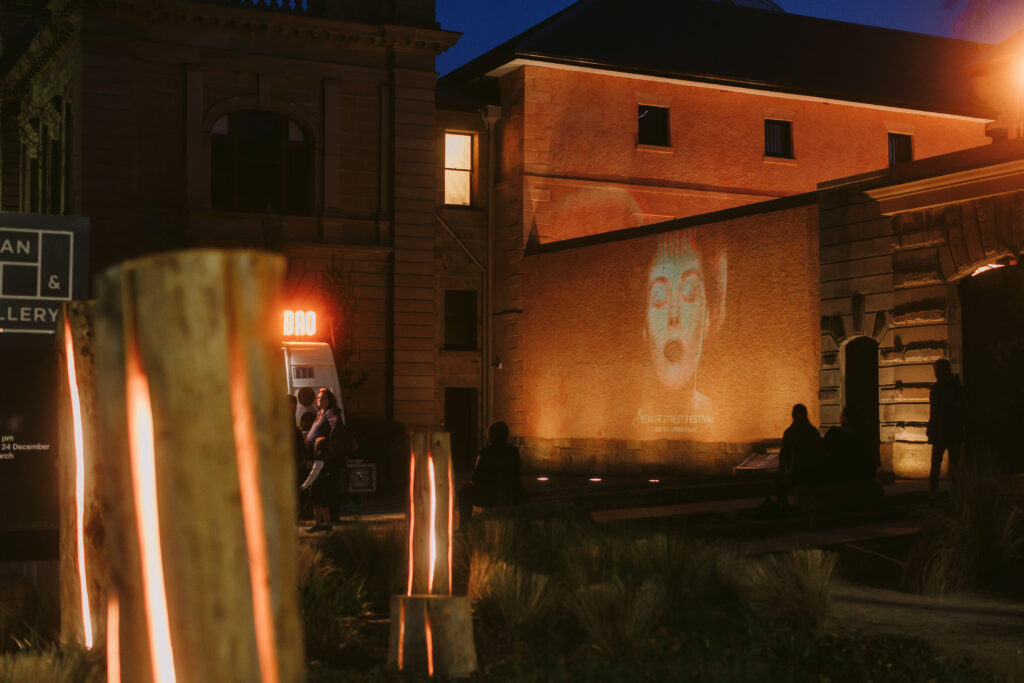
A truly thriving city doesn’t stop at five o’clock. It’s the lights, music, food, and conversation that make a place feel alive, safe and welcoming. It’s what attracts talented, creative people to live, work and play here – and contribute to the thriving cultural landscape we know is possible for our city.
Creative industries are the engine of that vibrancy. They generate employment, attract visitors, and help communities feel connected to one another and to place. They are not peripheral; they are central to driving the three pillars of long-term prosperity: population, participation and productivity.
And yet, creativity is still seen as sitting in the margins of how we plan and invest.
The recent TasTAFE decision to remove subsidies on courses including laboratory technology, design, media, and creative industries is difficult to reconcile with the story we tell about ourselves. These are not fringe skills. They underpin innovation, science, and a prosperous economy.
At the very moment Hobart prepares to celebrate the globally significant opening of Procreate’s new headquarters, we are reducing the very creative and technical training that sustains the ecosystem in which such companies thrive.
Procreate is driven by ethos of creativity, innovation, and technical excellence. To celebrate that achievement while narrowing opportunities for those who create with these tools is to enjoy the harvest while neglecting the soil.
Our work on A Sanctuary for Creators explores this tension further. If we want to be a place where people live, work and create — where young people feel inspired, where innovation thrives — we need to nurture our creative economy every day.
Economist Saul Eslake, responding to the Mercury’s “Brain Drain” story earlier this week, offered a familiar reflection: that while island communities naturally see people leave to learn and grow, Tasmania’s prosperity has too often come through good fortune rather than foresight.
It’s an idea that’s echoed through Tasmanian public life since the 1980s and 90s — that our boom years arrive by luck, not by design, and that when the cycle turns, we find ourselves surprised all over again.
Back then, the story was about loss and drift.
Today, as Danielle Wood reminded readers in her recent Mercury op-ed, the themes are strikingly similar: we’re still talking about talent leaving, the store becoming increasingly bare as we strip away opportunity for future generations.
It’s the same story, told in a new decade, and one we have the power to change.
Demographer Lisa Denny has been adding data to that story for years, charting a shrinking youth cohort and an ageing population. But as she regularly reminds us, demographics are not destiny — they’re a record of the decisions we’ve already made.
We’ve heard this message directly from young Tasmanians. Before our launch two years ago, we gathered a diverse group to help shape our early agenda. Their message was simple: If you want to plan for the future, you have to plan with it.
Since that launch, our focus has been to catalyse and provoke more constructive conversations that that are grounded in evidence, lived experience, and especially in the voices of young and diverse Tasmanians.
It’s that breadth of perspective that turns talk into direction and ideas into shared purpose.
For years, Tasmania has told the world a story of creativity, nature, and authenticity and the world has listened.
But stories alone don’t sustain communities. When we cut creative education, underinvest in cultural infrastructure, and allow our cities to fall quiet after dark, we chip away at the very ecosystem that supports our economy and our sense of place. We can’t celebrate success on the global stage while weakening the framework that made it possible.
In a world that feels increasingly uncertain, Tasmania already stands out as one of the best places to live. The challenge now is to make it one of the best places to thrive, not just to enjoy, but to grow, create and contribute.
If we can align what the world sees in us with what we choose for ourselves, Tasmania’s next decade could be its most dynamic yet. A place not only admired, but deeply lived in.
Cam Crawford is Chief Executive of the Committee for Greater Hobart