
The role of governments is to make decisions to improve the lives of the people they represent. The people who voted for them, put their faith in them, to do the best they can for every member of their community.
Unfortunately this isn’t what we’re seeing across Greater Hobart. It’s not the fault of any particular government, but a lack of coordination and oversight of the bigger picture sees us currently stuck in a hiatus.
Part of the Committee’s foundational research was to look at the various ‘plans’ that have been developed for the region. We commissioned independent research to identify and review a sample of 17 different vision statements from plans developed across state government, local government and other stakeholders. The fact that there are 17 (that we know of) highlights the disparate nature of mapping a way forward for the region.
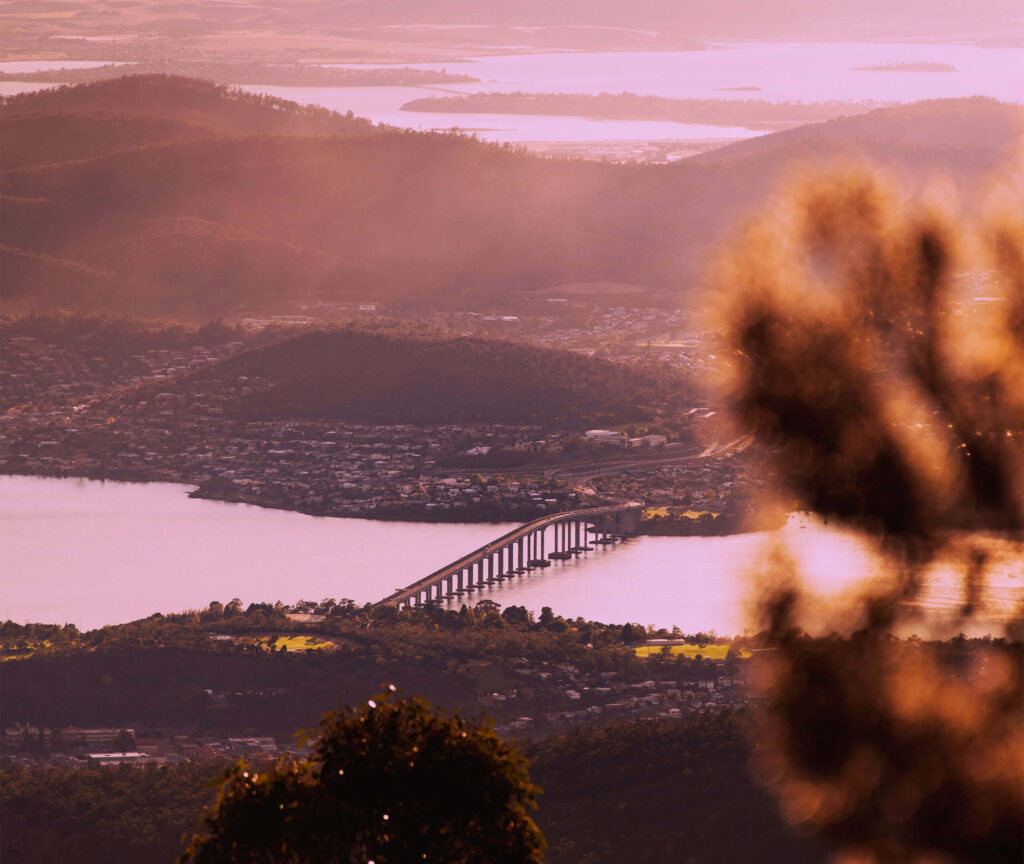
One of the more comprehensive plans, the Hobart City Deal, was announced with much fanfare in February 2019 as a partnership between federal, state and four inner-city councils (Hobart, Glenorchy, Kingborough and Clarence) to ‘provide a framework for improved planning, collaboration and coordination between the three levels of government to support the growth and development of Hobart’.
The deal undertakes to:
The fact that there has been change at all levels of government since the deal was signed shouldn’t be a reason for a lack of progress. But it does highlight that a long-term plan for the future of the region needs to be outside the cycles of government and independent of political influence.
There is a role for governments in a future plan for Greater Hobart – local governments are closest to their communities and know the pain points. State and Federal governments have the power to make decisions and invest in what’s best for the region. But who is ensuring the connections are being made and investments decided based on the communities’ needs?
In more recent times the Committee has seen a coordinated effort to gather the eight local councils of Greater Hobart to begin talking about the issues facing the region and possible solutions. But they can’t do it alone.
The Committee’s independent, apolitical nature enables us to open the forum for all members of the community to be heard. Our growing membership represents some of the largest and most influential organisations in the region, whose members, clients and employees live and work here.
We have spent the past six months talking and listening to our members, youth representatives and key stakeholders about the challenges, opportunities and aspirations they have for the region, and workshopping solutions.
The conversation we keep coming back to is that Greater Hobart needs a comprehensive, coordinated way to move forward. That we can’t continue to plan, invest and develop in isolation. New housing solutions, for example, need to suit a variety of residents’ needs; have open, green spaces for amenity, environment and health and wellbeing; have multiple transport options to encourage active lifestyles; support the local economy with mixed-use retail, community services and entertainment spaces; and generally be safe, attractive and engaging places that make people want to live and work here.
Our communities deserve to have a voice and influence over their future. To help co-create a plan that has immediate positive impacts, but that is flexible and regularly reviewed to ensure it remains relevant to the changing nature of our society. A plan that has independent oversight and accountability. A plan that doesn’t sit on a shelf gathering dust, but is dynamic and positive and achieves what it needs to – a better life for all Greater Hobart residents.
If you are interested in joining us to develop a plan for the future liveability of Greater Hobart, enquire about membership today.

A complex web of challenges threatens to undermine our opportunity to take our place in the world proudly, confidently and sustainably for the benefit of future generations, writes Committee Chief Executive Danny Sutton.
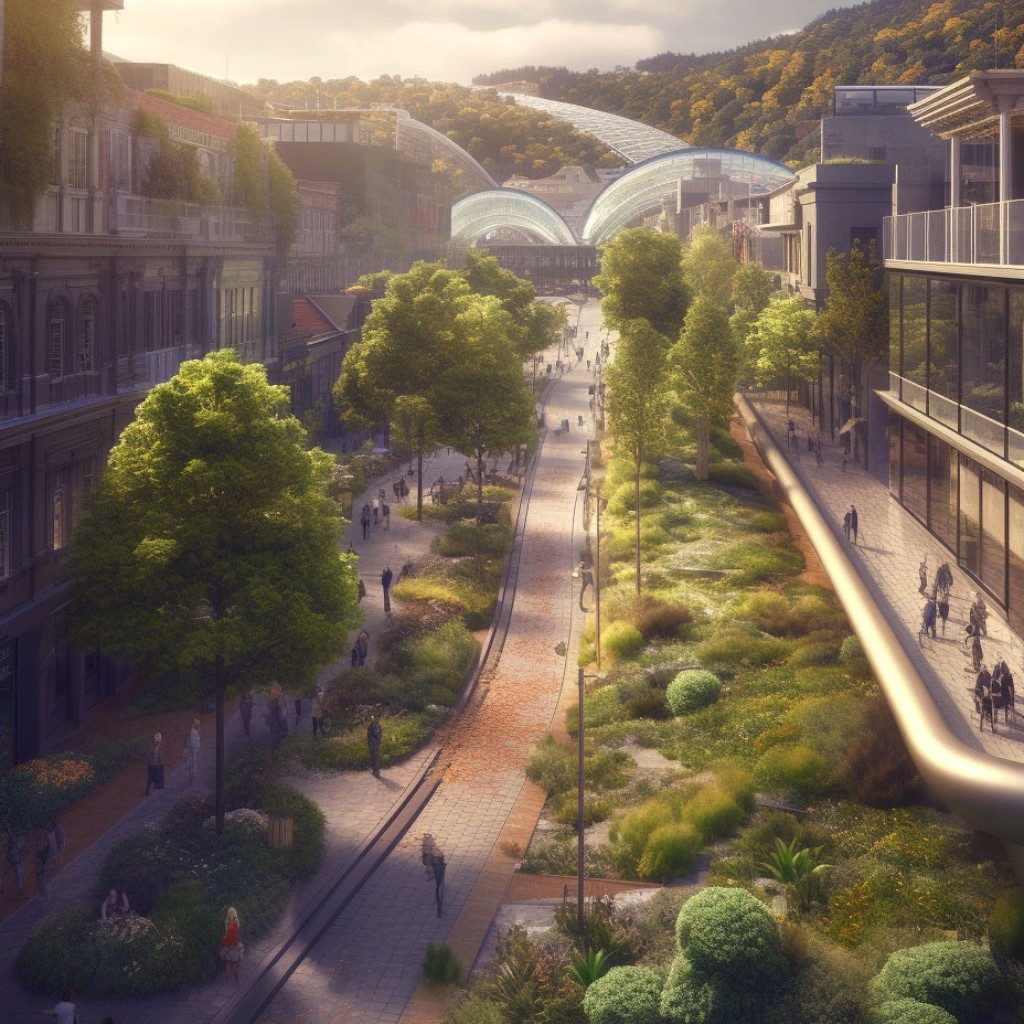
A proper collaboration between local and state government, developed in consultation with the community and administered by a proper independent planning commission will deliver the city we desperately need, writes Complete Streets Director Steven Burgess.